There’s a strange truth about nighttime.
As the day stretches on and our bodies grow tired, something subtle happens inside us. Our guards come down. Our words soften. We speak more freely—sometimes more honestly—without even realizing it.
In the early hours of the morning or late at night, when the body is relaxed and the mind is no longer performing, even a simple question can unlock a truth. Not because we plan to reveal it, but because truth takes no effort. Lies do.
That’s why people often say: if you want honesty, ask when someone is sleepy.
But why does night feel so calm, so real, and so emotionally open compared to the day?
The answer lives at the intersection of biology, psychology, and the quiet magic of reduced expectations.
The Shift That Happens When the Sun Goes Down
When daylight fades, we’re not just transitioning from day to night—we’re transitioning inward.
The noise settles. The air feels still. Lights soften. The world stops demanding constant reactions. In that pause, the mind finally gets space to breathe.
Night doesn’t rush you.
Night doesn’t ask for productivity.
Night simply allows you to exist.
That permission alone creates calm.
Fewer Senses, Less Overload
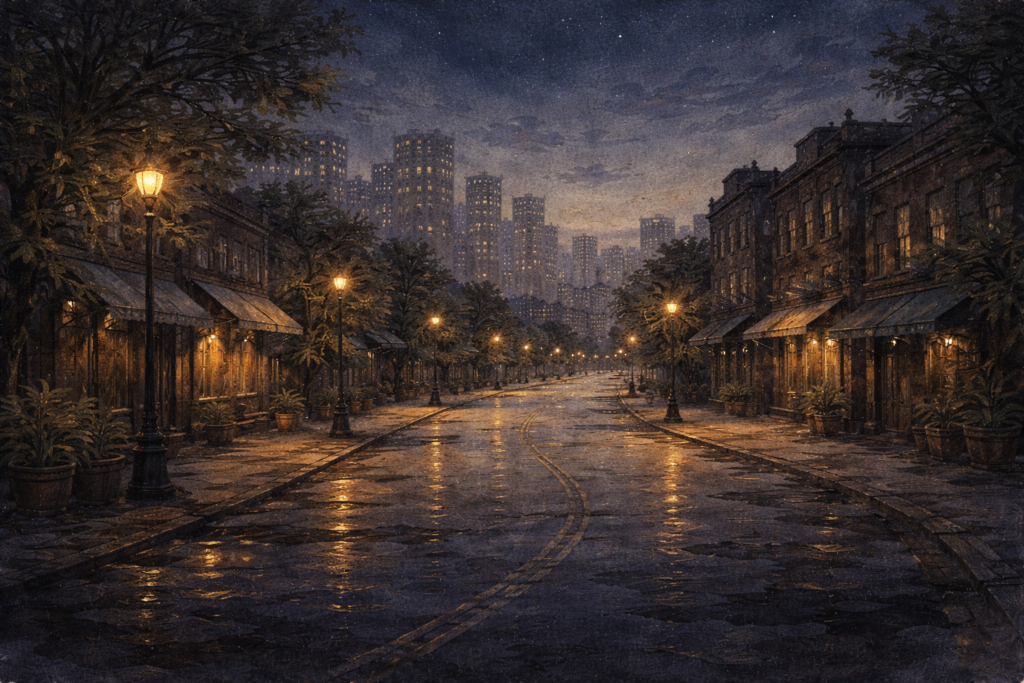
During the day, your brain is in constant processing mode:
Traffic noise
Phone notifications
Bright screens
Conversations, emails, expectations
At night:
Streets grow quieter
Screens dim or turn off
Conversations slow or stop
This low sensory input signals safety to the nervous system. When there’s less to monitor, your brain shifts from alert mode to rest mode. You stop scanning for threats. You stop reacting.
You begin to feel calm—not because nothing exists, but because nothing is asking for your attention.
Your Nervous System Finally Rests
Your body runs on two main modes:
Fight or flight (daytime alertness)
Rest and digest (nighttime relaxation)
As evening arrives—and if we avoid stimulants and screens—our system naturally moves into the calmer state. This shift brings:
Slower heart rate
Deeper breathing
Reduced anxiety
A feeling of safety
This is why night feels soothing on a physical level.
Your body is literally unwinding.
Darkness, Melatonin, and Mental Quiet
Melatonin is often called the hormone of darkness. It’s released when light fades and doesn’t just make you sleepy—it also calms the mind.
Even if you don’t fall asleep:
Thoughts slow down
Emotional edges soften
Anxiety loosens its grip
That’s why dim lighting, warm lamps, and screen-free evenings feel comforting. Your brain interprets darkness as a signal to stop performing.
Solitude Without Loneliness
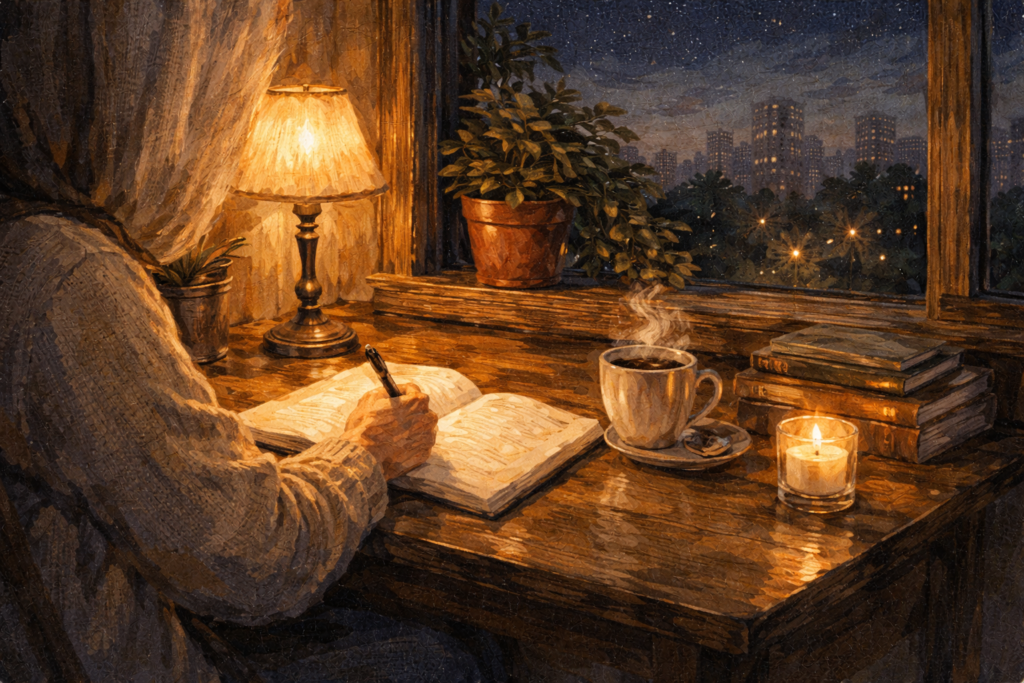
Night often brings solitude—but solitude isn’t loneliness.
It’s relief.
With fewer people awake, there’s less pressure to respond, impress, or explain. You can:
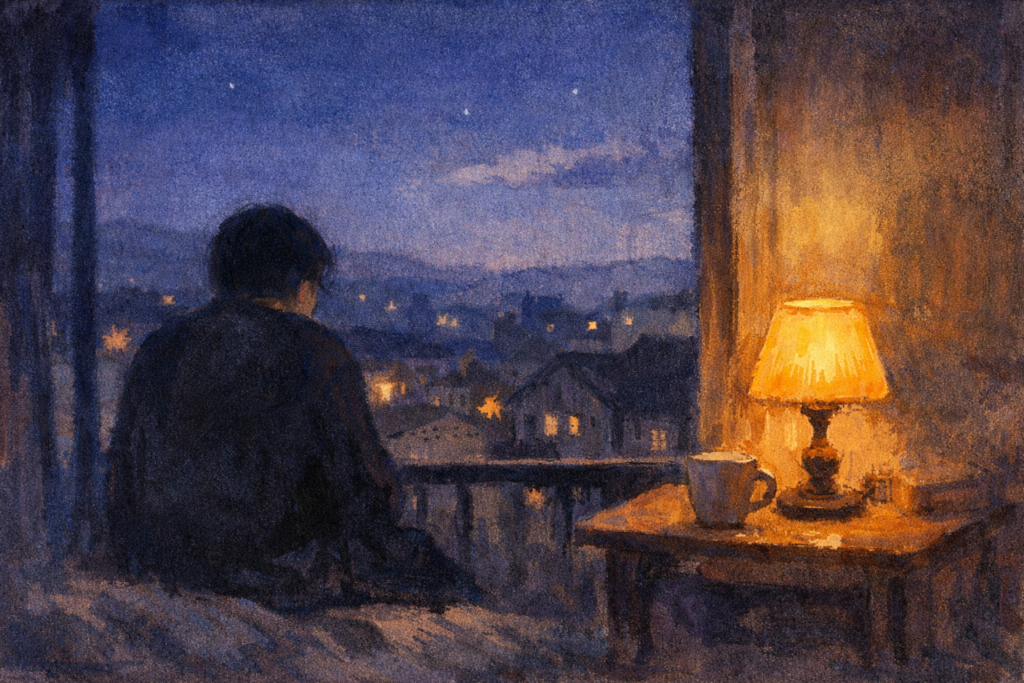
Reflect without interruption
Sit with your thoughts
Journal, read, or simply exist
Many people feel more creative, emotionally open, or spiritually aware at night—not because night changes them, but because it removes noise.
Silence gives your mind room to speak.
Emotional Processing Happens After the Noise Stops
Throughout the day, your brain collects experiences:
Stress
Conversations
Unfinished emotions
But it doesn’t process them immediately.
At night, when external input fades, your mind begins organizing what you felt but didn’t have time to understand. This is why people often:
Feel nostalgic
Write poetry or journal
Gain emotional clarity before sleep
Night gives emotions space to surface gently.
Night as Refuge
Culturally and emotionally, night represents:
Safety
Privacy
Withdrawal from the public world
After a full day of being seen, night lets you be unseen. You wear what you want. Say what you want—or say nothing at all.
Emotional safety is the foundation of calm.
Night provides that safety naturally.
Why Some People Feel Most Alive at Night
For some, night isn’t just peaceful—it’s productive.
The quiet allows for:
Deep thinking
Creative flow
Focus without distraction
When the world goes silent, the mind finally has room to stretch.
How to Use Nighttime Calm Intentionally
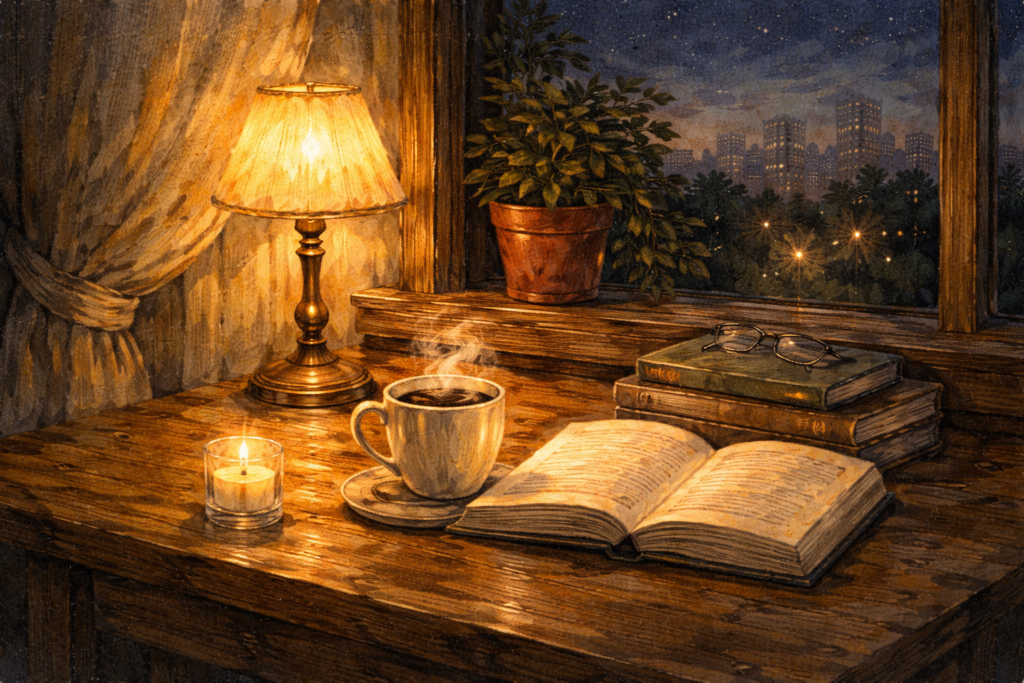
If you want to work with nighttime energy, try this:
Use warm, soft lighting after sunset
Avoid high-stimulation content (news, intense media)
Play ambient or nature sounds
Journal or meditate for 10–15 minutes
Create a simple nightly ritual (tea, stretching, reading)
These cues teach your body that it’s safe to slow down.
Final Thoughts
Nighttime calm isn’t just about quiet streets or dim lights.
It’s biology.
It’s psychology.
It’s emotional permission.
When the world stops asking things from you, you’re finally allowed to be yourself. And that’s why night feels honest, healing, and deeply human.
The evening isn’t demanding productivity—it’s offering presence.
And maybe that’s why, in the quiet of night, the truth comes so easily.
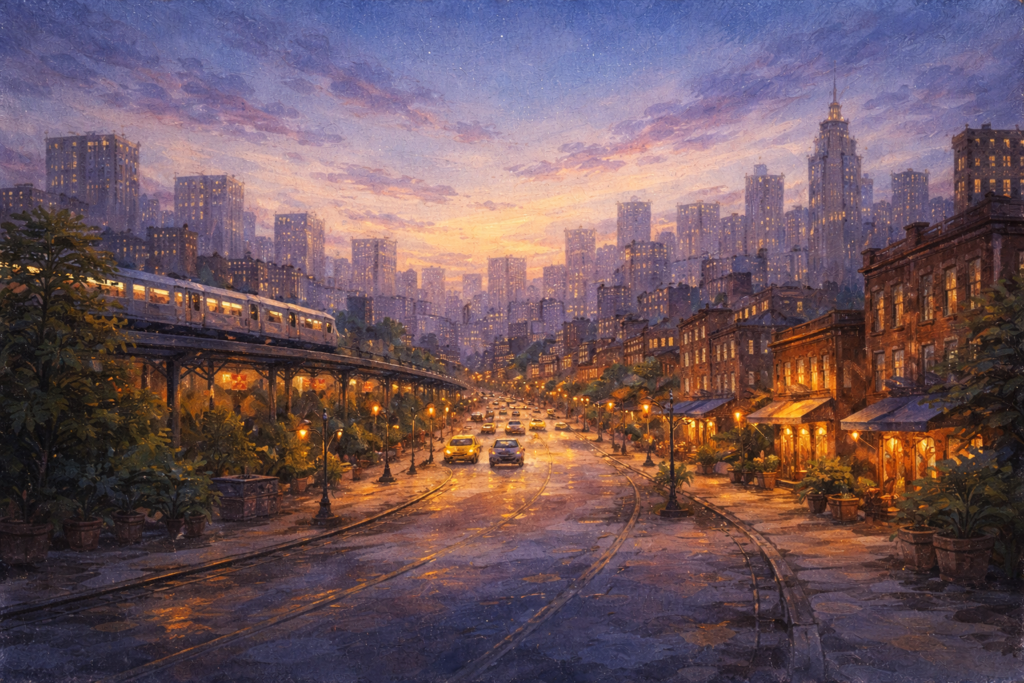
This search for calm doesn’t always require leaving the city — sometimes it’s about learning slow living in a fast city.